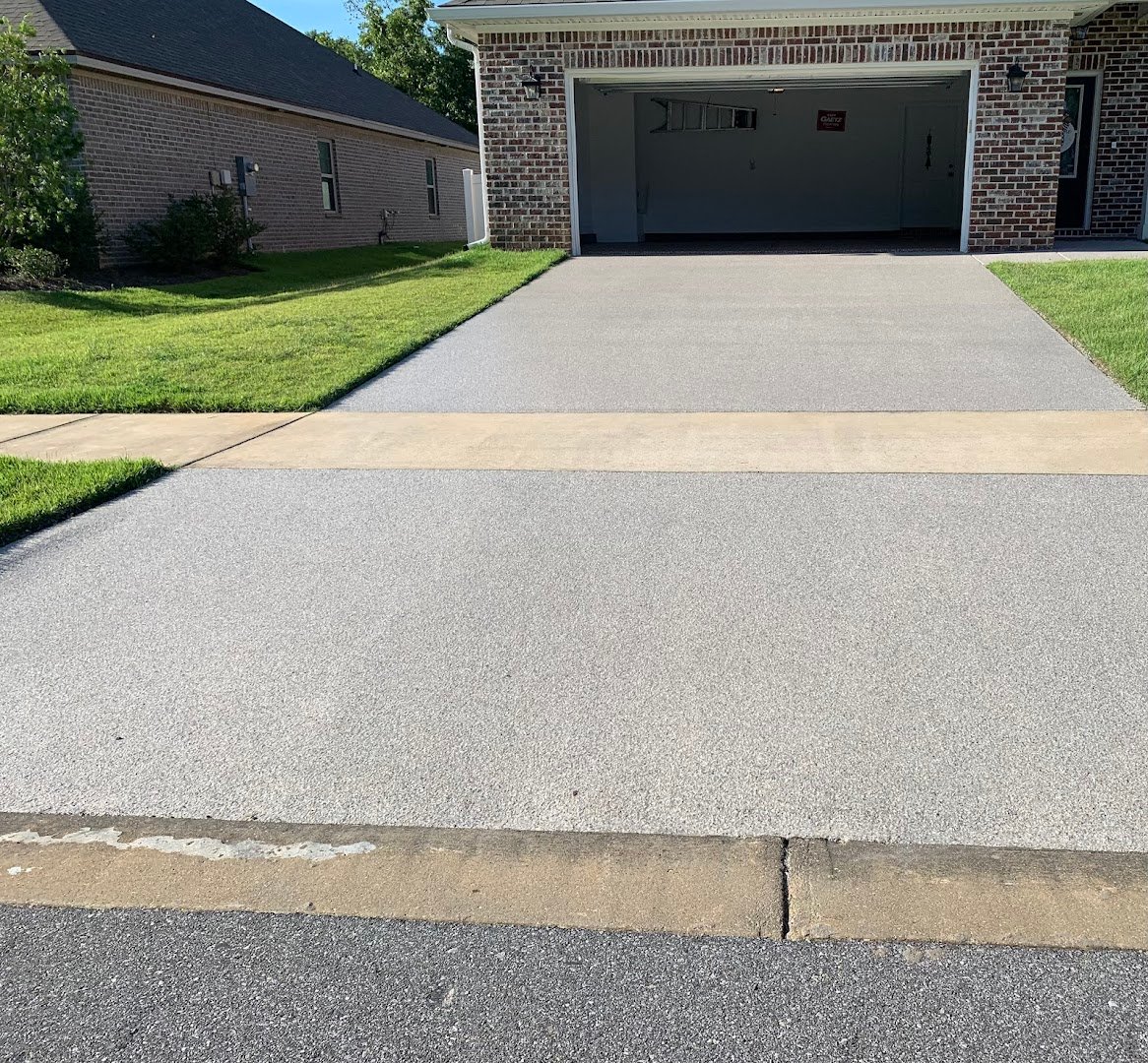

Your garage floor endures a lot. From heavy vehicles and dropped tools to oil spills and fluctuating temperatures, it's constantly under stress. Over time, this can lead to unsightly and even dangerous damage like cracks, pitting, and spalling. Neglecting these issues doesn't just make your garage look bad; it can compromise the integrity of your concrete and make future projects, like applying a protective coating, far more challenging. Understanding the root causes of these problems is the first step toward a lasting solution.
Why Your Garage Floor Needs Repair (and What Causes It)
Concrete is incredibly durable, but it's not indestructible. Several factors contribute to the deterioration of garage floors. Heavy use, such as parking multiple vehicles or storing heavy equipment, constantly stresses the slab. Temperature extremes, especially in climates with freeze-thaw cycles, can cause concrete to expand and contract, leading to stress cracks. Moisture, whether from groundwater seeping up or spills that penetrate the surface, can weaken the concrete over time. Poor initial installation, including inadequate sub-base preparation or improper concrete mix, can also lead to premature failure.
Common types of damage include hairline cracks, which are often superficial but can widen if left untreated, and structural cracks that indicate deeper issues. Pitting refers to small, crater-like depressions caused by surface wear or aggregate exposure. Spalling is when flakes or layers of concrete peel off the surface, often due to moisture, de-icing salts, or chemical exposure. Addressing these issues promptly is crucial, not just for aesthetics but for the long-term health of your garage floor.
The Dangers of Neglecting Garage Floor Damage
Ignoring minor cracks or surface imperfections might seem harmless, but it can lead to a cascade of problems. Small cracks can quickly become larger, allowing moisture to penetrate deeper into the concrete. This moisture can then freeze and expand, exacerbating the damage and potentially undermining the sub-base. Beyond structural concerns, damaged garage floors pose significant safety hazards. Uneven surfaces, deep cracks, or crumbling concrete can cause trips and falls, especially when moving vehicles or heavy objects.
Furthermore, a deteriorating garage floor can negatively impact your home's overall value and curb appeal. If you're considering selling your home, a damaged garage floor can be a major deterrent to potential buyers. It can also make it impossible to apply a high-performance coating effectively, as coatings require a stable, clean, and properly prepared surface to adhere correctly and last for years. Investing in timely repairs protects your investment and prepares your floor for future enhancements.
Professional Garage Floor Repair Methods
Effective garage floor repair goes beyond simply patching a problem. It requires a thorough understanding of concrete behavior and the right techniques for each type of damage. For cracks, professional methods often involve cleaning the crack thoroughly, then filling it with specialized epoxy or polyurea fillers that bond strongly with the concrete, preventing further movement and sealing out moisture. These materials are designed to be flexible and durable, standing up to the harsh garage environment.
For uneven surfaces, grinding or self-leveling compounds may be used to create a smooth, consistent plane. Spalling and pitting require careful preparation, often involving grinding away compromised concrete before applying repair mortars or resurfacing compounds that restore the surface integrity. Moisture mitigation is also a critical step for floors with chronic dampness, preventing future issues from below the slab. The success of any repair hinges on meticulous surface preparation, ensuring the new materials bond seamlessly and create a durable, long-lasting fix.
Beyond Repair: Protecting Your Garage Floor with Elite Coatings
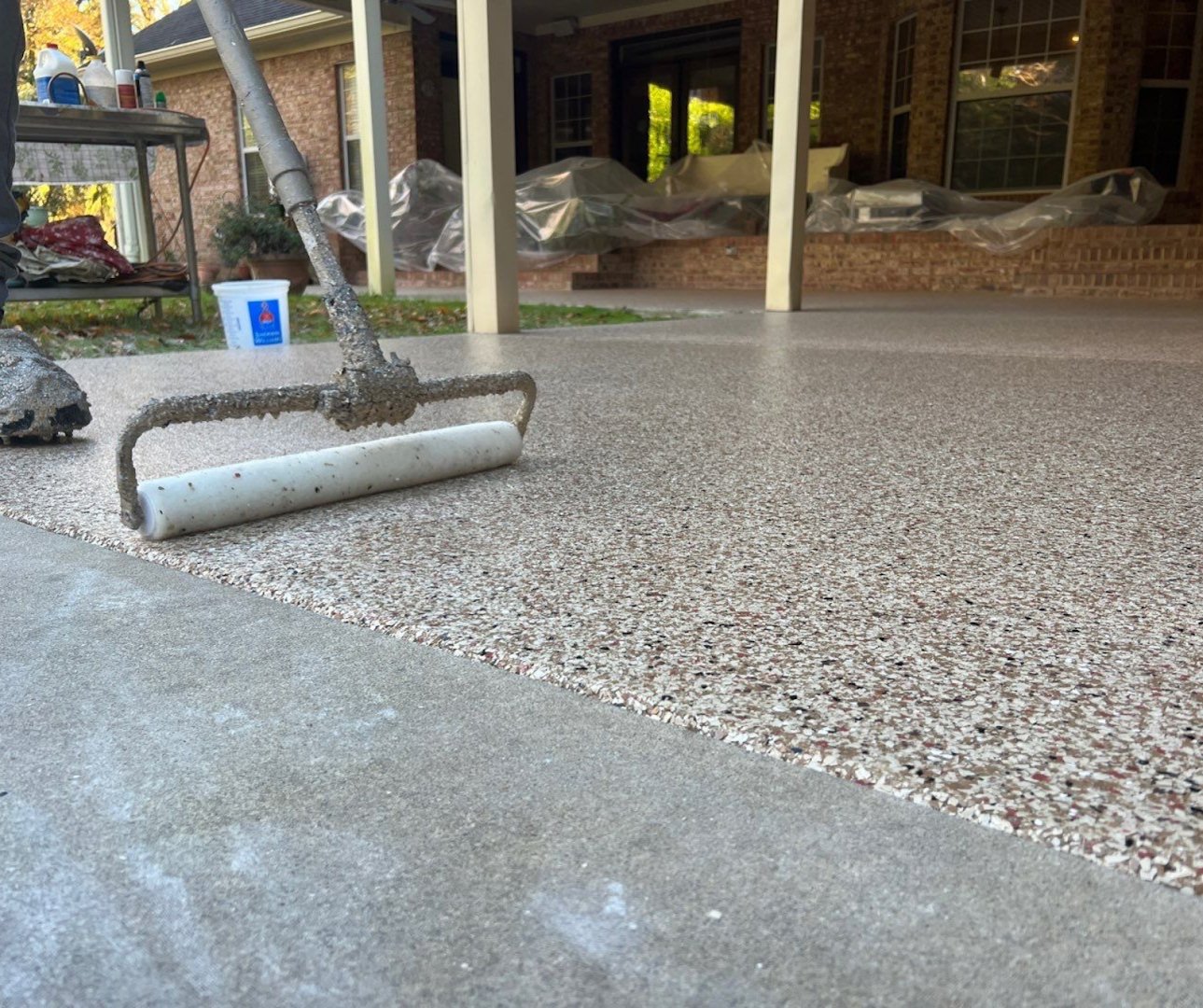
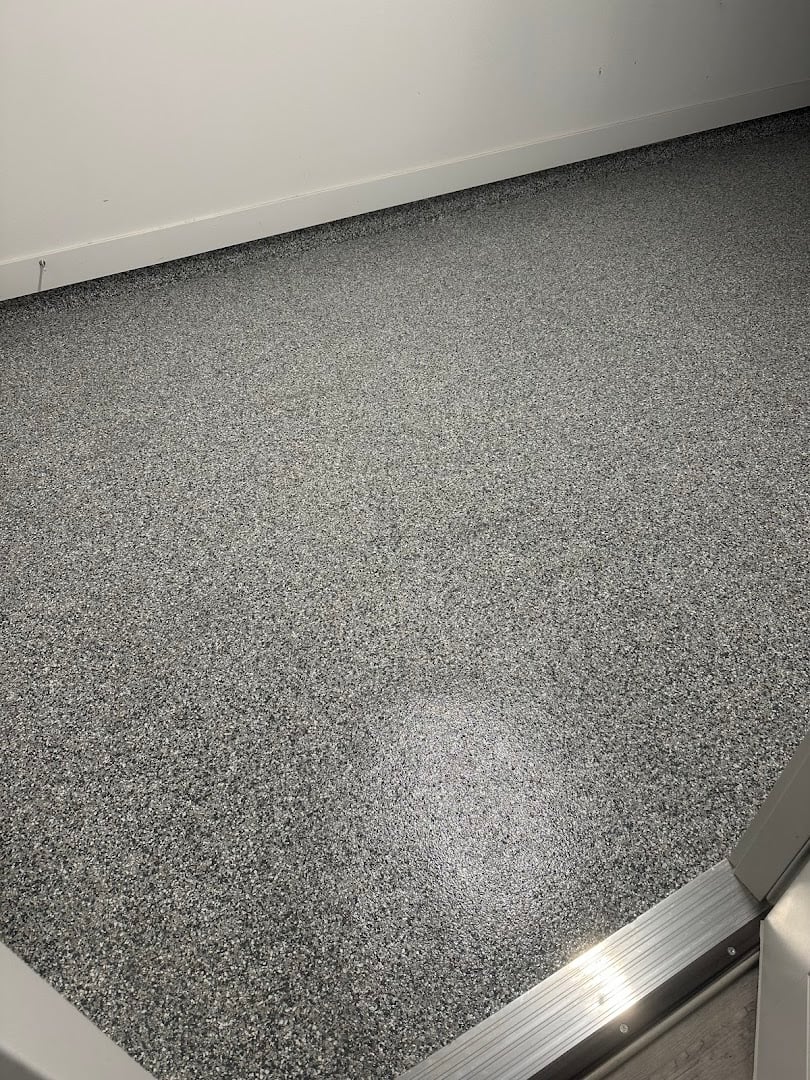
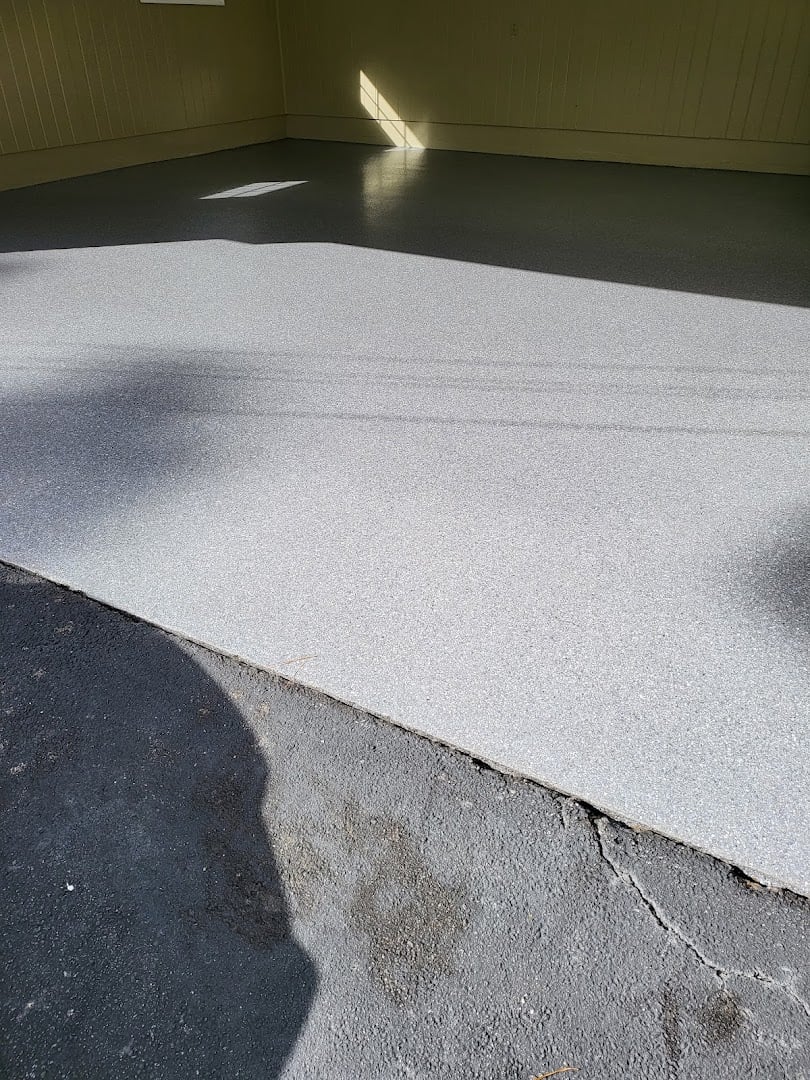
Once your garage floor has been expertly repaired, the next logical step is to protect it for the long haul and enhance its appearance. High-performance concrete coatings, such as polyurea or epoxy systems, offer an unparalleled solution. These coatings create a seamless, non-porous barrier that resists stains, chemicals, abrasions, and impacts, transforming a utilitarian space into a functional and beautiful extension of your home. They make cleaning a breeze, prevent future damage, and significantly extend the life of your concrete.
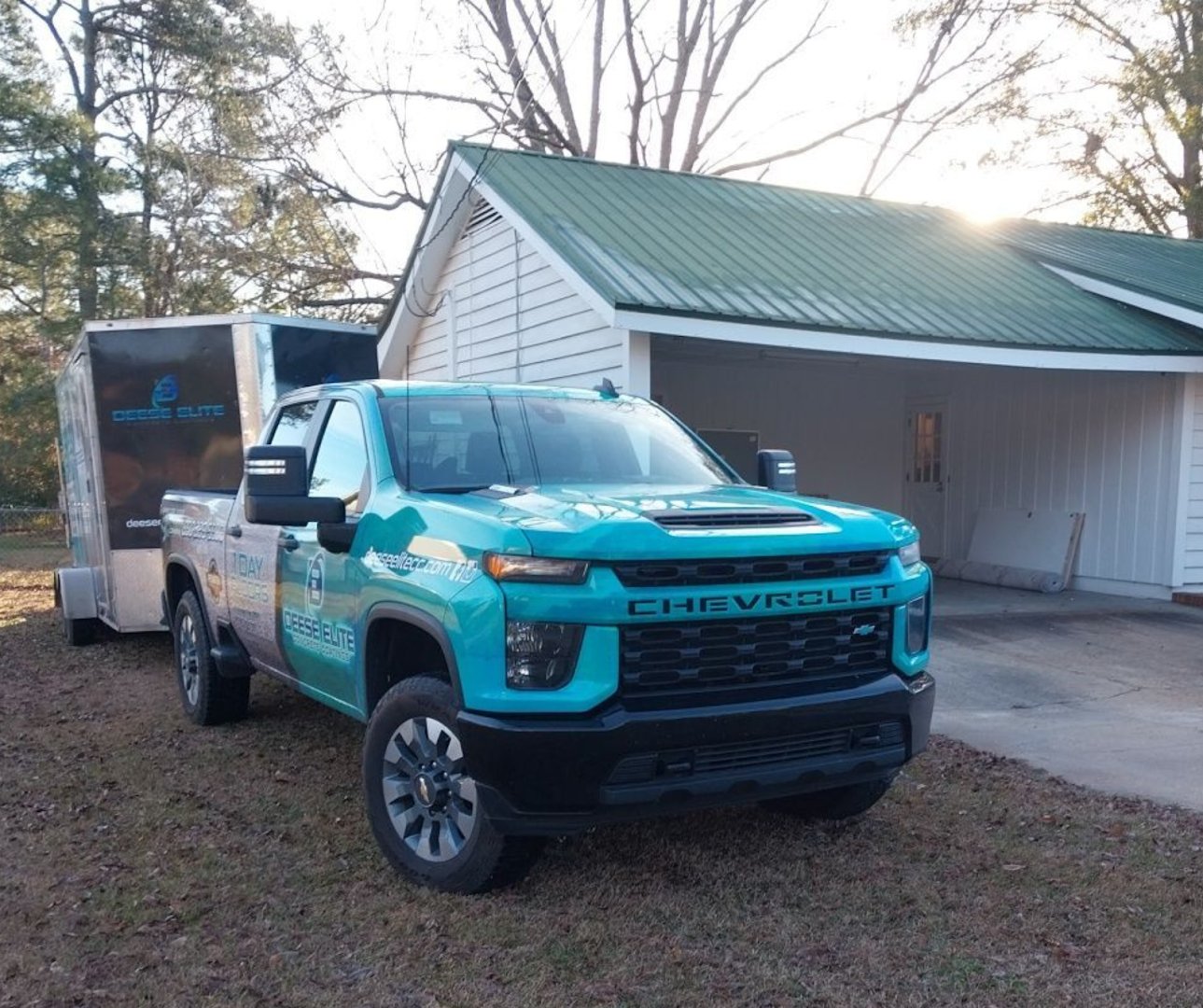
Deese Elite Concrete Coatings understands that a truly beautiful and durable garage floor starts with a solid foundation. We don't just cover problems; we fix them first, ensuring our premium coatings have the perfect canvas. With a wide array of colors, flakes, and finishes, we can customize a look that perfectly complements your home's aesthetic. We Design. We Create. We Make Concrete Pretty – and that often begins with expert repair.
Frequently Asked Questions
How long do garage floor repairs last?
The longevity of garage floor repairs depends on the type of damage, the repair materials used, and the ongoing conditions of your garage. Professional repairs using high-quality epoxy or polyurea fillers, especially when followed by a protective coating, can last for many years, often as long as the concrete itself. Proper maintenance and avoiding heavy impacts or chemical spills will also extend their life.
Can I repair my garage floor myself?
While DIY repair kits are available for minor cracks, professional garage floor repair offers superior, longer-lasting results. Experts have access to industrial-grade materials, specialized equipment for surface preparation, and the experience to correctly diagnose underlying issues. Attempting complex repairs yourself can lead to further damage or a less durable finish, especially if you plan to apply a coating afterward.
What's the difference between a crack filler and a coating?
A crack filler is a specific material, often epoxy or polyurea, used to seal and stabilize individual cracks in the concrete. A coating, on the other hand, is a protective and decorative layer applied over the entire surface of the garage floor after any necessary repairs have been made. Coatings provide a uniform, durable finish that protects against future damage and enhances aesthetics.
How much do garage floor repairs cost?
The cost of garage floor repairs varies widely based on the extent and type of damage, the size of the area needing repair, and the specific methods and materials required. Minor crack repairs will be less expensive than extensive spalling or leveling. It's always best to get a professional assessment for an accurate estimate tailored to your specific situation.
How long does the repair process take?
The duration of garage floor repairs depends on the severity of the damage. Simple crack repairs might take a few hours, while more extensive work involving leveling or significant surface restoration could take one to two days. This doesn't include the curing time for materials, which can vary. If a coating is to be applied afterward, that will add additional time to the overall project.
When should I consider replacing my garage floor instead of repairing it?
Replacement is typically considered when the concrete slab has suffered severe structural damage, widespread heaving, significant settling, or extensive deterioration that makes repair impractical or more costly than a full replacement. If the sub-base is compromised or the slab is beyond saving with repairs, a new pour might be the best long-term solution. A professional evaluation can help determine the most cost-effective and durable option.
Don't let a damaged garage floor diminish the value or functionality of your home. Expert garage floor repairs are the essential first step to creating a beautiful, durable, and safe space. Whether you're dealing with minor cracks or significant surface issues, Deese Elite Concrete Coatings has the expertise to restore your concrete and prepare it for a stunning, long-lasting finish. Contact us today for a free estimate and discover how we can transform your garage floor.