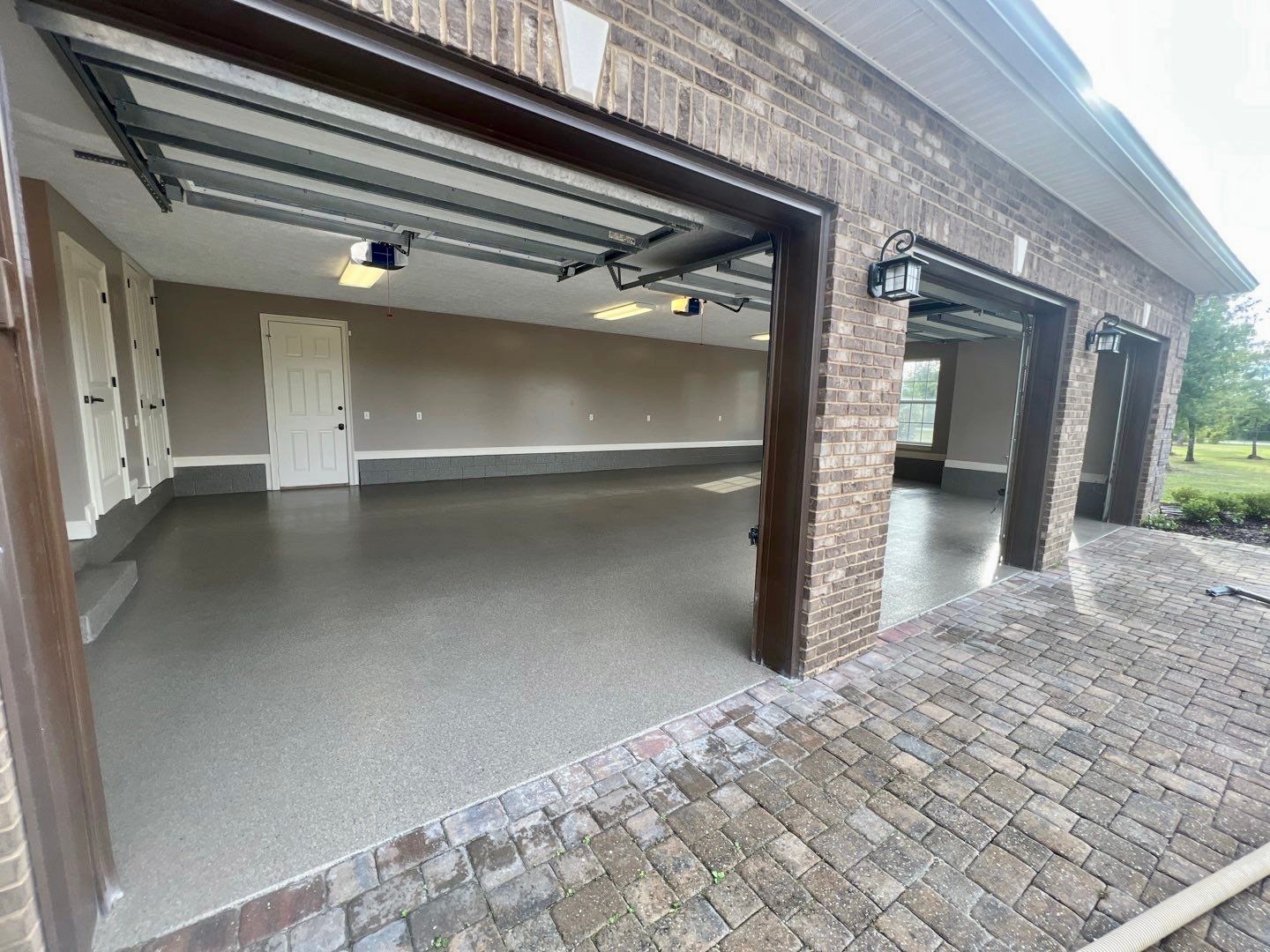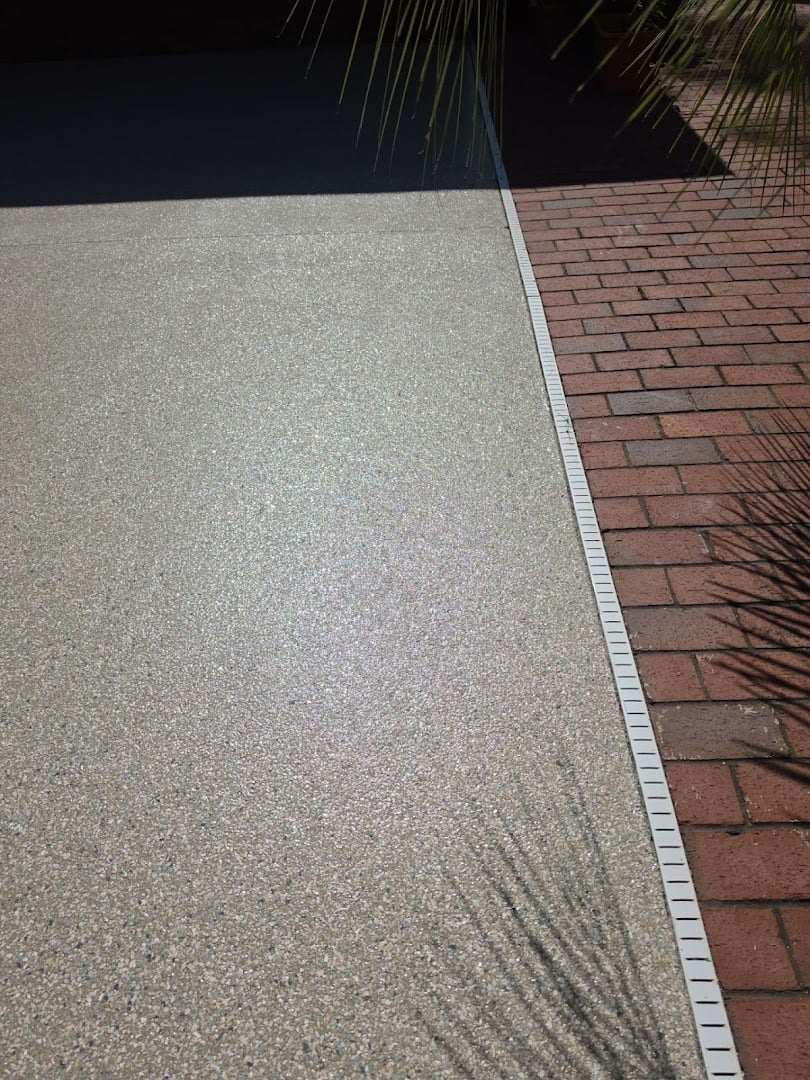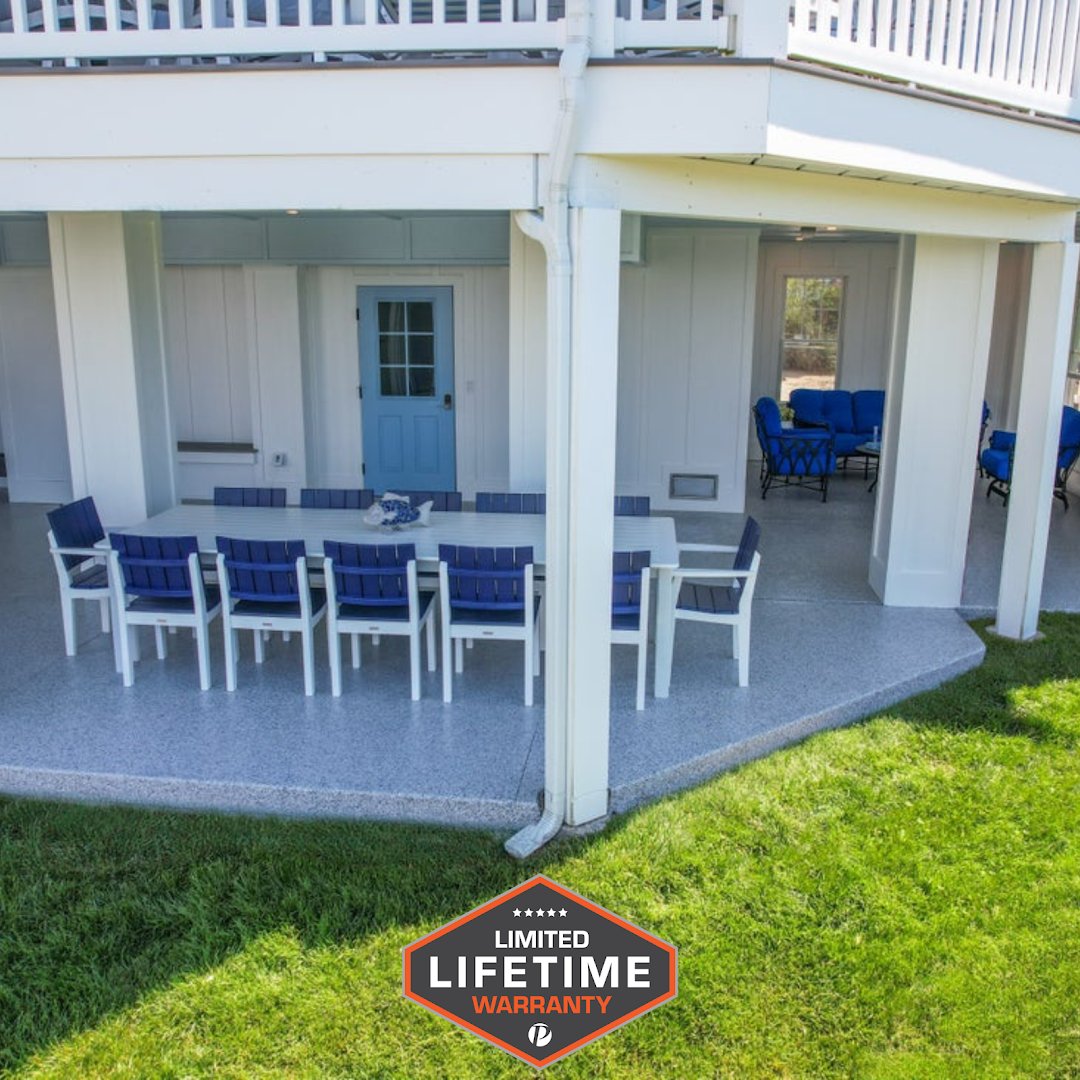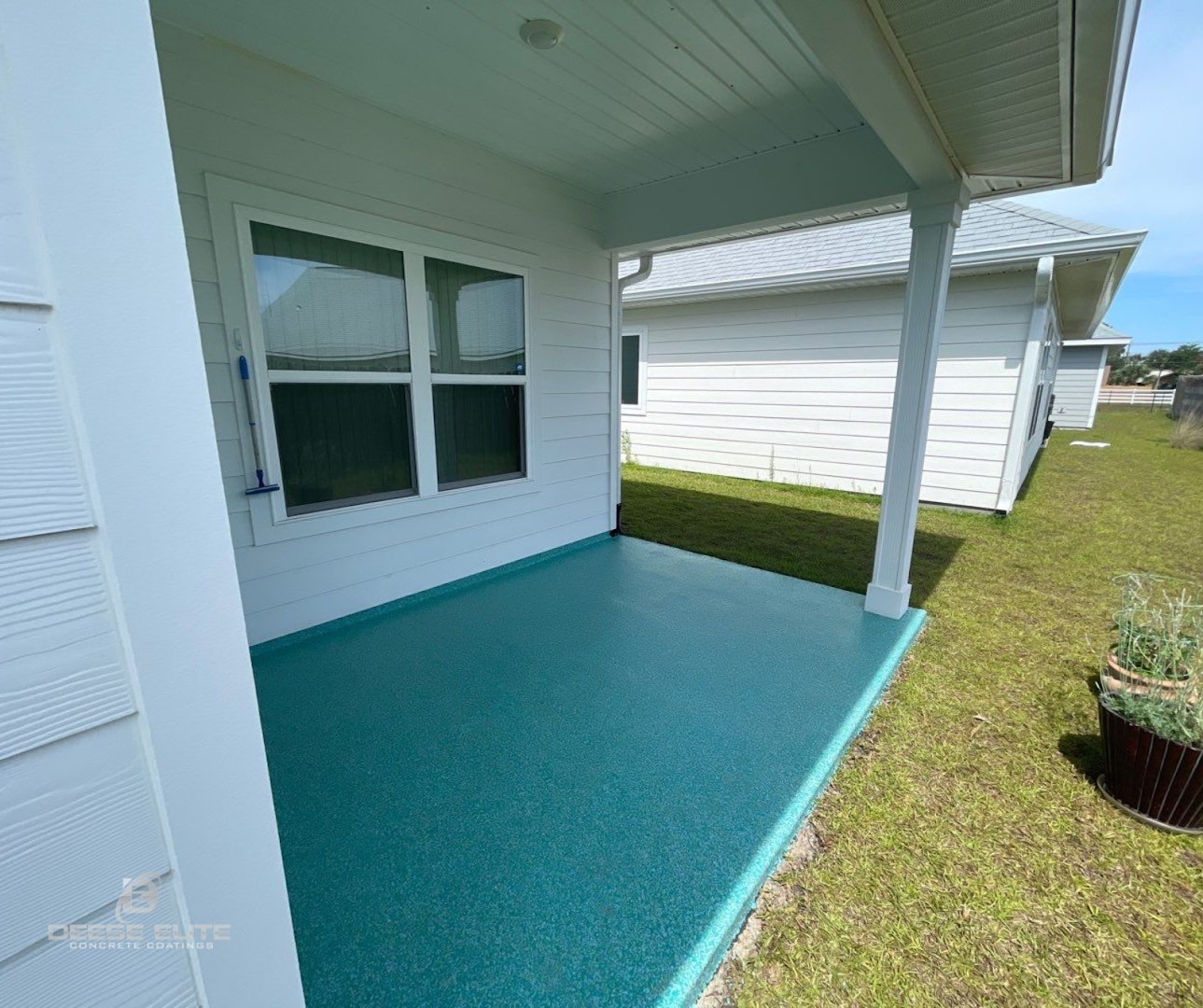
Considering an epoxy coating for your garage floor? You're looking at a fantastic upgrade that offers durability, beauty, and easy maintenance. One of the first questions on everyone's mind is, naturally, "What will it cost?" The truth is, the price of an epoxy garage floor isn't a one-size-fits-all number. It's influenced by a variety of factors, from the size of your space to the specific type of system you choose. We're here to break down these elements, helping you understand the investment involved in transforming your concrete.
What Factors Influence Your Epoxy Garage Floor Cost?
The total investment for an epoxy garage floor can vary significantly based on several key elements. Understanding these will help you anticipate the scope and cost of your project.
- Garage Size and Layout: Simply put, a larger garage requires more materials and labor, directly impacting the final price. Complex layouts with many corners or obstructions also add to the installation time.
- Current Condition of the Concrete: The existing state of your concrete slab is a major cost driver. Cracks, pitting, oil stains, existing coatings, or moisture issues all require extensive preparation work, such as grinding, patching, or specialized treatments. A pristine slab will naturally be less expensive to prepare than one needing significant repairs.
- Type of Epoxy System: Not all epoxy coatings are created equal. There's a wide spectrum of products, from basic solid-color systems to elaborate flake or metallic designs. Higher-grade, more durable, or aesthetically complex systems will command a higher price point. This also includes the number of coats and the thickness of the application.
- Material Quality and Specific Products: Premium, industrial-grade epoxy resins offer superior durability, chemical resistance, and longevity compared to cheaper, lower-quality alternatives. Investing in high-quality materials ensures a longer-lasting and more resilient floor.
- Labor and Expertise: Professional installation by experienced technicians guarantees proper surface preparation, application, and curing. This expertise prevents common issues like peeling, bubbling, or premature wear, which can occur with amateur installations. Skilled labor is an investment in the longevity and performance of your floor.
- Geographic Location: Labor and material costs can fluctuate based on your region and local market conditions.
Understanding Different Epoxy Systems and Their Price Points
The world of concrete coatings offers a diverse range of options, each with its own benefits and cost implications. While "epoxy" is a common term, many advanced systems combine different chemistries for superior performance and aesthetics.
- Solid Color Epoxy: This is often the most budget-friendly option, providing a clean, uniform look. It's a significant upgrade from bare concrete, offering excellent protection and easy cleaning.
- Epoxy Flake Systems: A popular choice for garages, flake systems involve broadcasting decorative vinyl flakes into a wet epoxy base coat. A clear topcoat then seals the flakes, creating a textured, slip-resistant, and visually appealing surface that hides imperfections well. The density of the flakes and the number of clear coats can influence the price.
- Metallic Epoxy: For those seeking a truly unique and artistic floor, metallic epoxy creates stunning, marble-like, or pearlescent effects. This system requires specialized application techniques and often uses multiple colors and layers, making it a premium option.
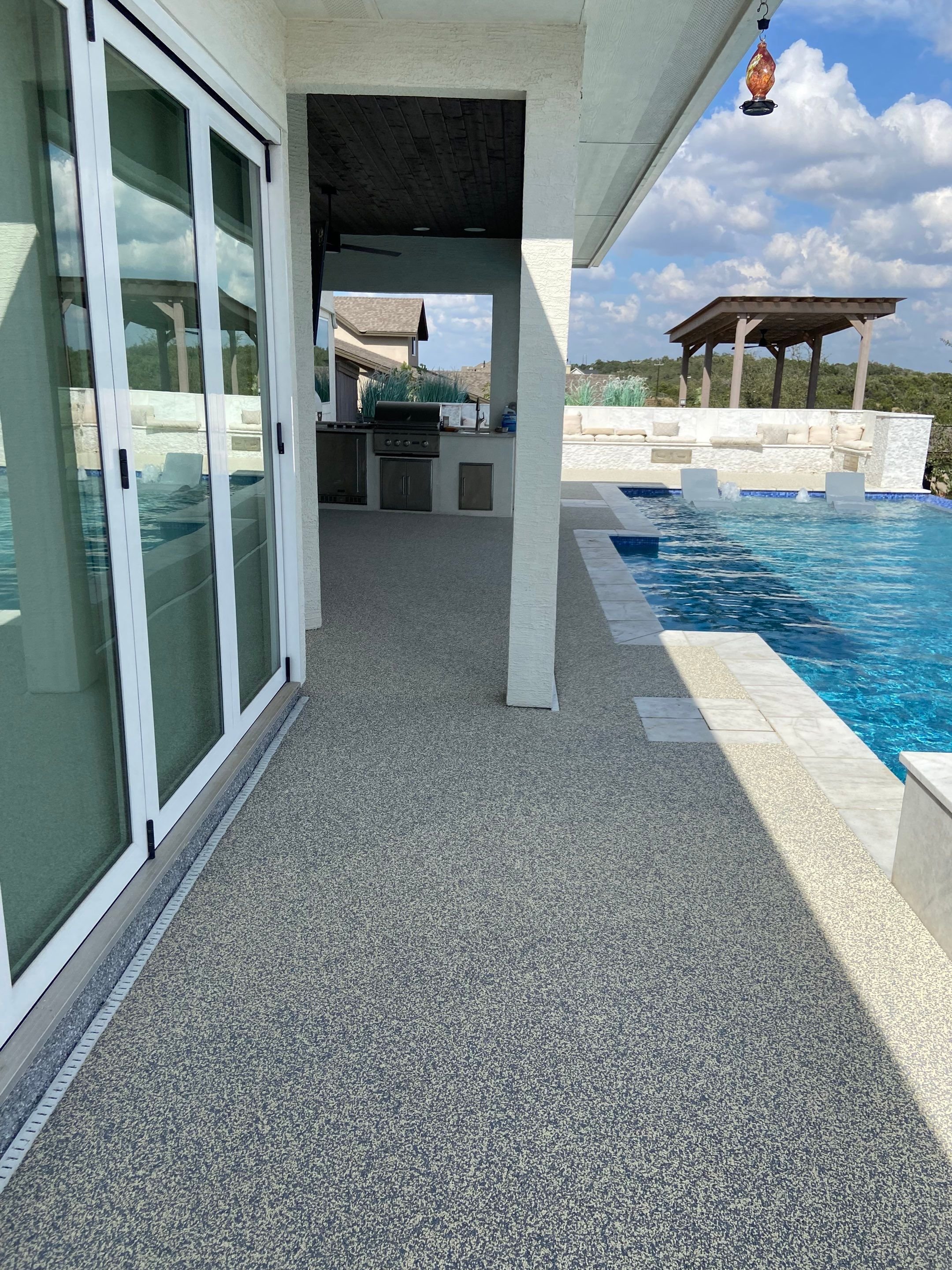
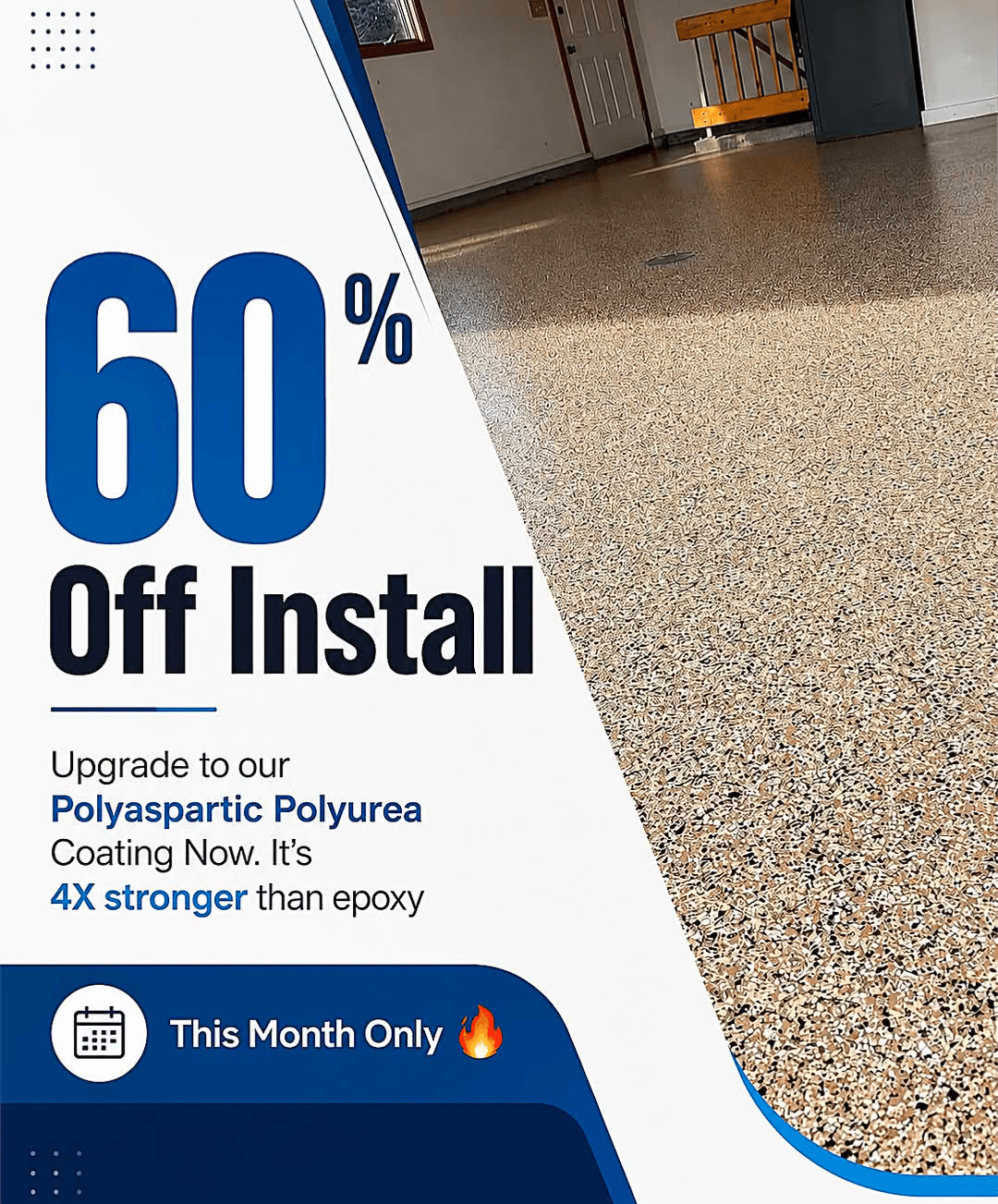
- Polyaspartic and Polyurea Coatings: While often grouped with epoxy, these are distinct chemical compounds frequently used as topcoats or even full systems. They offer faster cure times, superior UV stability (preventing yellowing), and greater flexibility, making them ideal for outdoor applications or situations requiring rapid return to service. These advanced coatings typically represent a higher investment due to their enhanced performance characteristics.
Each system offers a different balance of aesthetics, durability, and cost. Your choice will depend on your budget, desired look, and the specific demands of your garage environment.
DIY vs. Professional Installation: Cost vs. Value
When considering the epoxy garage floor cost, many homeowners ponder the DIY route. While a DIY kit might seem like a cheaper upfront option, it's crucial to weigh the true cost and value of professional installation.
DIY kits often contain lower-grade, water-based epoxies that are thinner and less durable than professional-grade, 100% solids systems. The biggest challenge for DIYers, however, lies in surface preparation. Without industrial-grade grinders and the expertise to properly clean, repair, and profile the concrete, even the best epoxy will fail prematurely. Common DIY pitfalls include poor adhesion, bubbling, peeling, uneven application, and a significantly shorter lifespan, often leading to costly re-dos.
Professional installers bring specialized equipment, high-quality materials, and years of experience. They understand the nuances of concrete preparation, moisture mitigation, and precise application techniques. Investing in a professional ensures a flawless finish, maximum durability, and a warranty-backed floor that will stand the test of time. While the initial outlay might be higher, the long-term value, peace of mind, and superior performance of a professionally installed floor far outweigh the potential savings of a DIY attempt.
Is an Epoxy Garage Floor a Worthwhile Investment?
Beyond the initial epoxy garage floor cost, it's essential to consider the long-term benefits and value an epoxy coating adds to your home and lifestyle. The answer is a resounding yes for many reasons.
- Enhanced Durability and Protection: Epoxy creates a seamless, non-porous surface that is incredibly resistant to stains, chemicals, oil, grease, abrasions, and impacts. This protects your concrete from deterioration, extending its lifespan significantly.
- Improved Aesthetics: Say goodbye to dusty, drab concrete. Epoxy transforms your garage into a clean, bright, and attractive space. With a vast array of colors, flakes, and metallic finishes, you can customize the look to match your home's style or personal preference. We Design. We Create. We Make Concrete Pretty.
- Easy Maintenance: The non-porous surface makes cleaning a breeze. Spills wipe up easily, and dirt and dust don't embed into the concrete, requiring only simple sweeping or mopping to maintain its pristine appearance.
- Increased Property Value: A beautifully finished and highly functional garage floor is a significant upgrade that appeals to potential buyers. It can elevate your home's overall appeal and even contribute to its resale value.
- Safety: Many epoxy systems can incorporate anti-slip additives, providing a safer walking surface, especially in areas prone to moisture or spills.
Considering these benefits, an epoxy garage floor is not just an expense; it's an investment in the functionality, beauty, and longevity of your home.
Frequently Asked Questions About Epoxy Garage Floors
How long does an epoxy garage floor typically last?
With professional installation and proper maintenance, a high-quality epoxy or polyaspartic garage floor can last 10-20 years or even longer. Factors like traffic, chemical exposure, and initial surface preparation play a significant role in its lifespan.
What is the typical timeline for an epoxy garage floor installation?
Most professional epoxy garage floor installations take between 2 to 4 days, depending on the size of the garage, the condition of the concrete, and the complexity of the chosen system. This includes preparation, coating application, and curing time. You'll typically be able to walk on it within 24 hours and drive on it within 72 hours, though full cure can take longer.
Can epoxy be applied over old or damaged concrete?
Yes, epoxy can be applied over old concrete, but proper surface preparation is critical. All cracks, pitting, and spalling must be repaired, and the surface must be thoroughly cleaned and profiled (usually by grinding) to ensure optimal adhesion. Existing coatings must also be removed.
Are there cheaper alternatives to epoxy for garage floors?
While there are cheaper alternatives like concrete paint or stain, they typically do not offer the same level of durability, chemical resistance, or longevity as a true epoxy or polyaspartic coating. These alternatives often require more frequent reapplication and don't provide the same protective benefits or aesthetic appeal. For long-term value and performance, epoxy is generally superior.
What kind of maintenance does an epoxy garage floor require?
Epoxy floors are remarkably low maintenance. Regular sweeping or vacuuming to remove dirt and debris is usually sufficient. For spills or tougher grime, a mop with warm water and a mild, non-abrasive cleaner works wonders. Avoid harsh chemicals or abrasive scrubbing pads that could dull the finish.
Does an epoxy garage floor increase my home's value?
Absolutely. A professionally installed epoxy garage floor significantly enhances the aesthetic appeal and functionality of your garage, transforming it into a more usable and attractive space. This upgrade is often viewed as a premium feature by potential buyers, contributing positively to your home's perceived value and marketability.
Understanding the epoxy garage floor cost is the first step towards achieving the garage of your dreams. While the investment varies, the long-term benefits of durability, beauty, and easy maintenance make it a smart choice for any homeowner. Ready to transform your concrete? Contact us today for a free, no-obligation estimate. Let Deese Elite Concrete Coatings help you design, create, and make your concrete pretty.